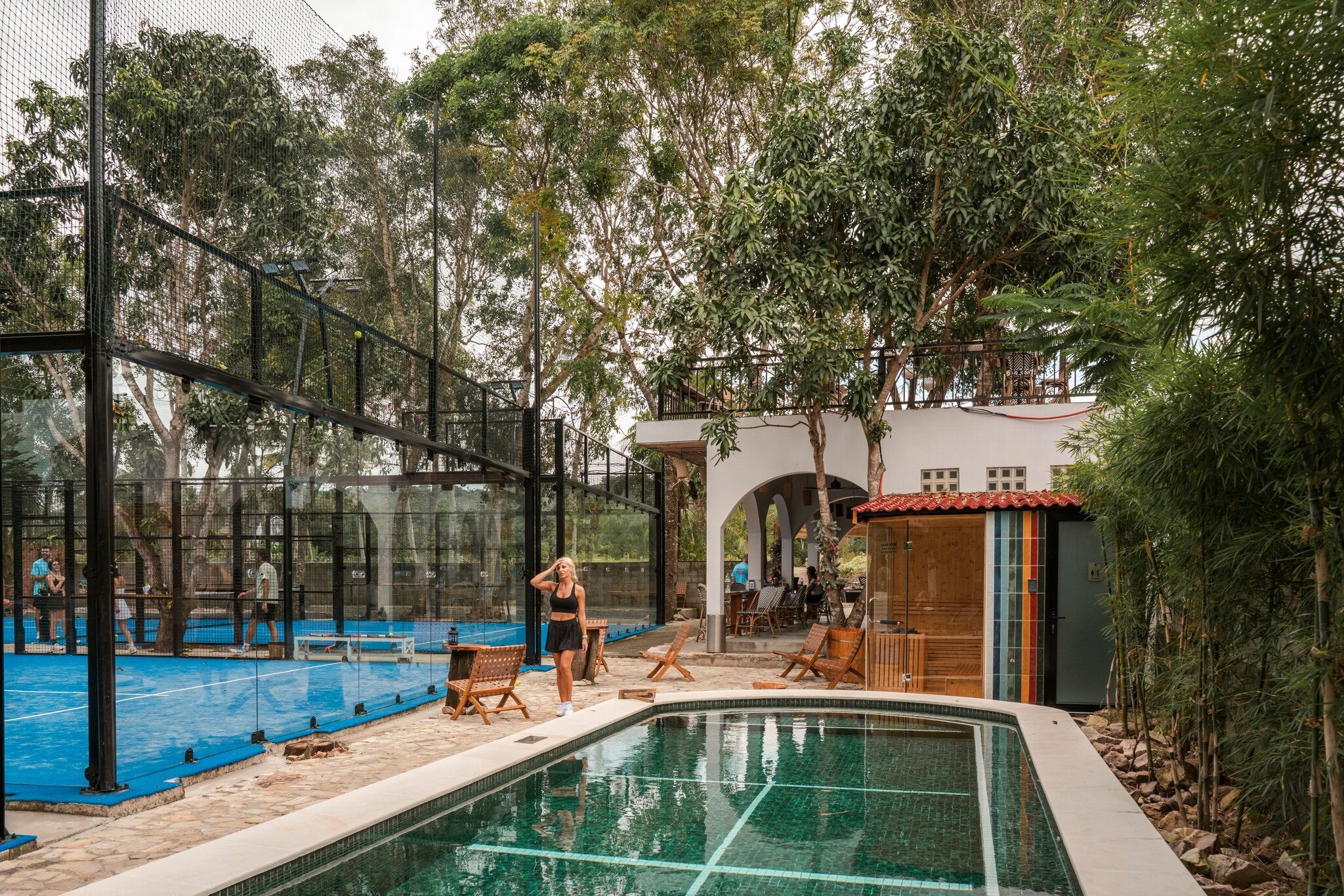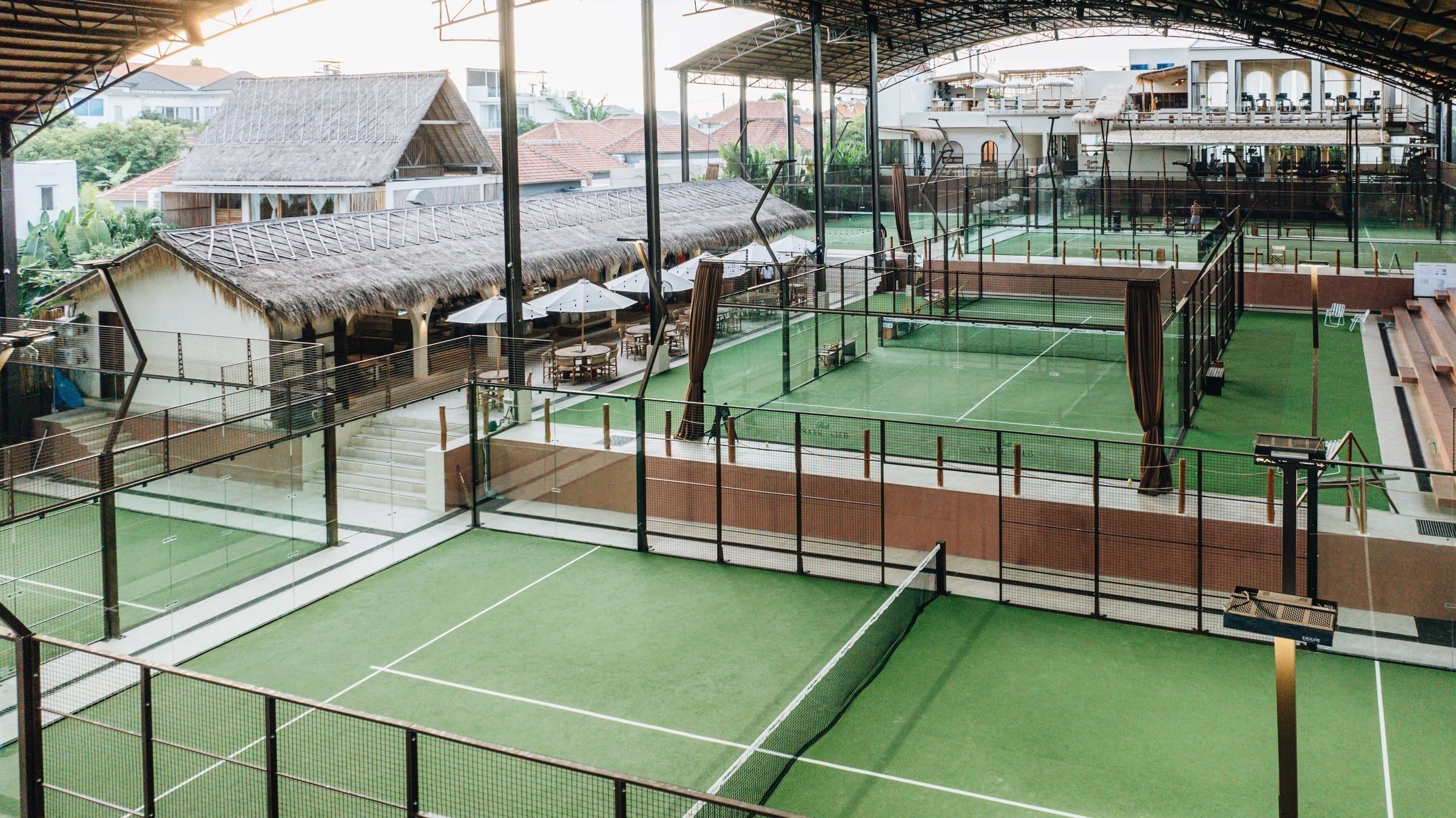
Good padel, somewhere lovely to stay and plenty to look forward to after the game. Bali has all the ingredients for a holiday that gets you playing more without making every day feel like a training camp.
You might spend the morning working on your game, meet a few people over lunch at the club, and head to the beach for the afternoon. Or follow a lively match with a massage and a quiet evening overlooking the greenery of Ubud. The padel is a reason to come, but what lies off-court is a reason to stay.
Canggu, Ubud and Uluwatu each offer a different version of that holiday. All three have clubs worth travelling for. Choosing between them is less about finding the single best court and more about finding your kind of place.
Which part of Bali suits your holiday?
- Canggu for cafés, gyms, social games and evenings that carry on after sunset.
- Ubud for culture, green surroundings, coaching and a generous amount of spa time.
- Uluwatu for surf, beach afternoons and a coastal escape with padel close by.
There is overlap, of course. You can enjoy recovery facilities in Canggu, find competitive games in Ubud and have a sociable evening in Uluwatu. Think of these as the character of each area, rather than rules about what you can do there.
Canggu for a sociable padel holiday
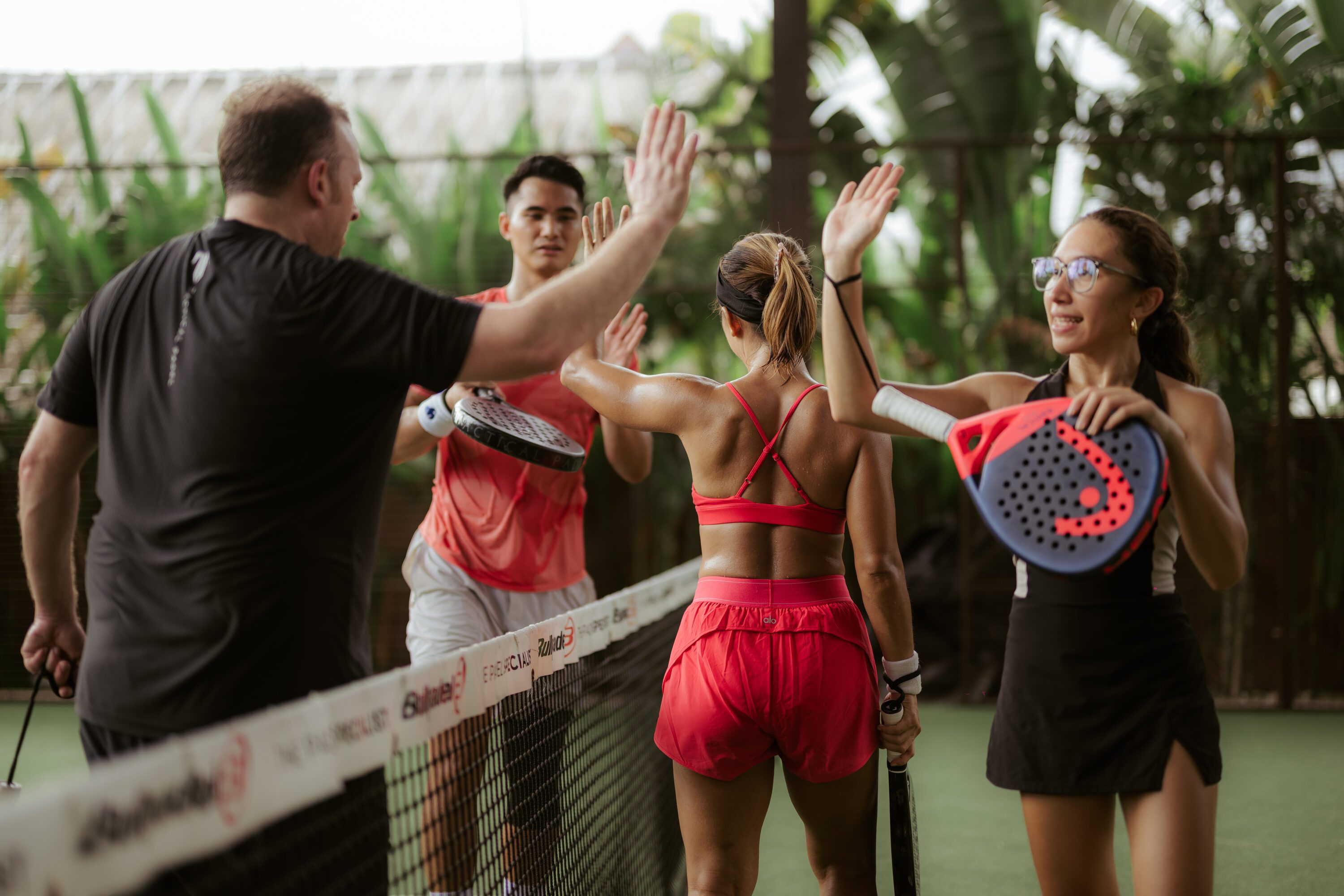
Canggu is a good fit if you like your holidays active and your evenings open-ended. There are cafés to settle into after a morning session, gyms and fitness classes if you still have energy, and beach sunsets that can turn into dinner and drinks.
For solo travellers, that social side is a large part of the appeal. A club can become a familiar place surprisingly quickly when you return for a few games, recognise the same faces and have somewhere to sit afterwards. You do not need to arrive with a packed itinerary to have plenty going on.
The clubs give you different ways into the scene. Bali Padel Academy has seven courts and is the international headquarters of the NOX Future Academy. Coaching is a strong reason to spend time here, while its regular tournaments give more experienced players something to plan around.
Bali Social Club suits anyone who enjoys the whole club experience. Padel sits alongside gym sessions, recovery and café life, so a court booking can easily become a longer visit. Its Lagree studio adds another workout option between games. Lagree uses a Megaformer machine and is distinct from Pilates, although both may appeal to travellers who enjoy studio training.
Jungle Padel Canggu is another established name, with coaching and a WhatsApp community for meeting players. Around the wider area, Jungle Padel Seseh and Island Sports Cemagi offer further options if they are convenient for your accommodation.
A Bali Padel & Wellness Retreat at Bali Social Club brings coaching, fitness and recovery into one luxury escape. It is an appealing format if you want to play regularly while leaving room for what makes Canggu worth choosing.
The trade-off is the bustle. Canggu suits people who enjoy having plenty around them, but it is not the obvious choice for a quiet escape. Staying close to your preferred club makes a real difference to how relaxed the day feels.
Ubud for coaching culture and a slower pace

Ubud changes the mood. The coast gives way to rice-field scenery, river valleys and days with space for galleries, Balinese culture and an unhurried lunch. It is a lovely setting for a padel holiday when you want to come home feeling that you have had a proper break as well as plenty of games.
There is no need to choose between good training and that slower pace. You can put some structure into the morning, then leave the afternoon for a spa appointment, a wander or simply enjoying the place you are staying.
Mahima in Sayan brings padel, tennis and gym facilities together, with recovery options alongside them. That mix works particularly well for couples or friends who enjoy different sports. Everyone can have an active morning without needing to follow exactly the same programme.
TAO Padel Academy in Singakerta has four panoramic courts, a functional gym, a Pilates studio, a pool, a sauna and an ice bath. The published playing rate includes access to the gym, pool, sauna and ice bath, giving you a reason to leave time around your session rather than rush away afterwards.
For a holiday with training and wellness already brought together, the Mahima Bali Padel Retreat is worth a look. If you prefer a shorter coaching block within a longer Bali stay, the TAO Padel Intensive Weekend lets you concentrate on your game for a few days and choose your accommodation separately.
Beyond the clubs, Ubud’s spas are a reason to keep an afternoon free. The Sacred River Spa at Four Seasons Resort Bali at Sayan offers Balinese rituals in the Ayung River Valley. A treatment here can be an outing in its own right, rather than something squeezed between other plans. Ubud is particularly appealing if your travelling partner is less interested in padel.
Uluwatu for padel, surf and beach afternoons
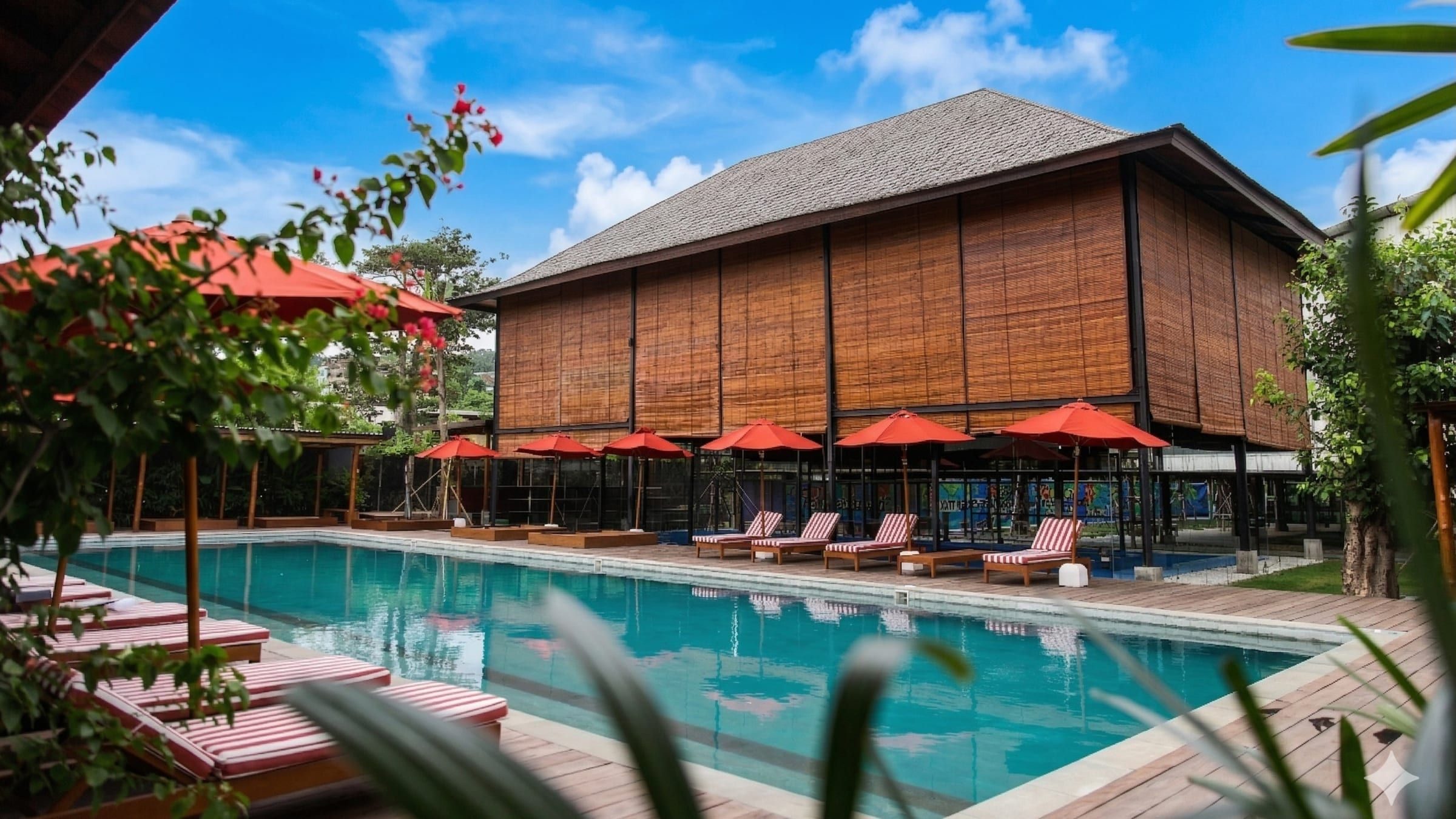
If you picture your Bali holiday with salt in your hair and plenty of time by the sea, Uluwatu is the natural contender. Surfing, beaches and clifftop settings give the area its character, while the padel scene means you can enjoy that coastal holiday without leaving your game behind.
It works well for couples who want a bit of everything. One person might book coaching while the other enjoys the pool, then both head out for lunch and an afternoon at the beach. There is room for focused training, but also for days when one good match is quite enough.
Monster Padel Social Club in Pecatu brings padel together with a pool, dining and wellness facilities. It suits players who want somewhere to spend time before and after a session, especially when the holiday is about enjoying the club as much as improving on court.
Choose accommodation around the places you expect to use most, including your club and preferred stretch of coast, rather than treating the whole Uluwatu area as one compact neighbourhood.
The Bali Padel Performance Retreat at Monster Padel pairs a coaching-led programme with Uluwatu accommodation. It is a good direction for travellers who want purposeful training and somewhere special to relax afterwards.
Stay where you want to play
The easiest way to lose the pleasure of a Bali padel holiday is to spend too much of it travelling. Traffic can make places that look close on a map feel much further apart, particularly when you have a fixed court booking to reach.
Choose a base near the clubs you want to use regularly. Being able to head over for a game and return without a long journey leaves more of the day for everything else.
On a longer holiday, moving once can be part of the fun. A few days of coaching and culture in Ubud followed by beach time in Uluwatu gives you two quite different experiences. Canggu and Ubud also make an appealing combination if you want both a social coastal stay and time inland.
Finding games at your level
You do not need to travel with a group to enjoy padel in Bali. Club socials, open matches and player groups can help you meet people and settle into the local scene. Canggu and Ubud are useful starting points for solo travellers who want several clubs to try.
Playtomic is helpful where clubs use it, while others have their own booking systems and WhatsApp communities. Start with the club’s current booking instructions, then look for sessions that suit your level.
Advanced players may want to put a tournament at the centre of the trip. Bali Social Club runs its BSC Championship series, and Bali Padel Academy advertises regular tournaments. Check dates and categories before choosing your travel week.
Budgeting for court time
For an hour of doubles shared between four, published rates give a useful indication of the playing budget:
- Canggu: IDR 130,000 each at Jungle Padel, IDR 150,000 at Bali Padel Academy and IDR 165,000 on a standard court at Bali Social Club.
- Ubud: IDR 110,000 each at Mahima and IDR 125,000 at TAO Padel Academy.
These rates were checked on 9 October 2026. Equipment, coaching and facility access vary by club.
A Bali padel holiday in the rainy season
The wet season generally falls between November and March, but covered courts keep padel on the holiday agenda. The practical detail worth checking is drainage as well as the roof: ask how the club handles heavy rain and whether your particular court is covered.
For the rest of the day, a club with a café, gym or recovery area gives you options if the weather changes your plans. If beach time is a priority, the drier months may be a better fit.
Find your kind of Bali padel trip
Discover padel camps, retreats and holidays in Bali with Padel Travel Asia. Compare destinations, coaching programmes and holiday styles, then enquire about the trip that suits you. The organiser will contact you directly with availability and a quote.